

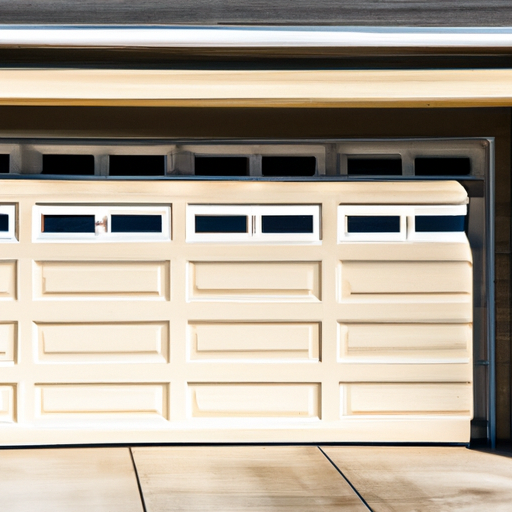
Fort Lee, NJ homeowners who want quieter garages should focus on smart garage door maintenance from the outset. Noise from a door can mean worn rollers, loose hardware, or failing openers — and regular garage door maintenance prevents small sounds from turning into costly failures.
Why noise matters and what to inspect first
Noisy operation often signals parts under stress. A quick inspection during a routine garage door maintenance check can reveal the usual culprits: loose bolts, rusty hinges, dried lubrication, worn springs, or old rollers. In Fort Lee’s seasonal weather changes, components expand and contract; that accelerates wear and increases vibration and noise.
Walk the perimeter and listen during a full open/close cycle. Common indicators to address in your garage door maintenance plan:
- Metal-on-metal clanging: check torsion springs and hinge bolts.
- Grinding from the opener: inspect drive gear and motor mount.
- Rattling when parked: tighten brackets and replace worn rollers.
- Squeaking during travel: apply appropriate lubricant to bearings and hinges.
Practical noise reduction steps you can do yourself
Homeowners can take several safe, high-impact steps as part of routine garage door maintenance. These tasks reduce noise and improve reliability without special tools.
Lubrication and small adjustments
Lubricate rollers, hinges, bearings, and the torsion spring with a silicone or lithium-based garage door lubricant — avoid engine oils that attract dirt. Tighten loose fasteners, but do not attempt to adjust torsion springs; those require pros. These small fixes are key elements of a good garage door maintenance checklist.
Roller and hinge upgrades
Replacing nylon rollers and oil-tempered rollers cuts travel noise dramatically compared with old steel rollers. Swap noisy hinges for quieter, heavier-duty options as part of a seasonal maintenance routine. Upgrading a few wear items during scheduled garage door maintenance extends the life of the entire system.
When to call a technician in Fort Lee
Some repairs — like spring adjustment, opener gear replacement, or track realignment — are best left to trained technicians. Signs you should call a pro include uneven travel, a door that suddenly becomes much louder, and any visible spring damage.
For local homeowners, professionals know NJ code nuances and the Fort Lee climate impact on parts. If you prefer guided DIY or need same-day attention, visit our services page to see common residential offerings and options for noise reduction upgrades.
Opener choices and noise control
One of the most effective noise reduction strategies in a garage door maintenance plan is selecting the right opener. Belt-drive openers run quietly compared to chain drives. Direct-drive openers are also low-noise and low-maintenance.
If your opener is more than 10 years old, replacing it during routine garage door maintenance can cut perceived noise and improve safety features such as smoother starts and soft stops.
Is a quieter opener worth the cost?
For attached garages or living spaces above the garage — common in Fort Lee homes — the cost is often justified by reduced vibration transmission and better long-term reliability. Consider your daily use: higher-cycle households get faster ROI on quieter, maintenance-friendly openers.
Soundproofing tips around the door
Noise doesn’t only come from moving parts; resonance and vibration transfer into framing and drywall. Address these with targeted measures during regular garage door maintenance:
- Install or replace the bottom seal and perimeter weatherstripping to cut wind and rattle.
- Add rubber vibration pads where the track or opener mounts to framing.
- Insulate the door panels to reduce resonance; insulated doors also improve thermal comfort in Fort Lee’s varied seasons.
- Check and tighten wall- and ceiling-mounted hardware to prevent amplified vibration.
These steps pair well with standard garage door maintenance and can be staged over time to spread costs.
Seasonal maintenance schedule for Fort Lee homeowners
Following a seasonal schedule keeps noise low and catches issues early. A practical cadence:
- Spring: full inspection, lubrication, roller and hinge checks.
- Summer: test balance and opener operation; tighten hardware.
- Fall: replace seals, inspect weatherstripping, consider insulation upgrades before winter.
- Winter: check for ice buildup and test auto-reverse safety features.
Record dates and actions taken so technicians have a concise maintenance history when they visit. For more seasonal advice, read our detailed tips on the blog: Garage Door Tips & Seasonal Care.
Costs, timelines, and warranties
Routine garage door maintenance visits in Fort Lee typically range from a basic tune-up to more extensive repairs. Expect a tune-up that includes lubrication, fastener tightening, and safety tests to take 45–90 minutes. Replacing rollers or the opener may take a few hours and require specific parts.
Pricing varies by parts and labor; many homeowners budget for an annual maintenance visit plus a small reserve for wear parts. Always ask for written warranties on parts and labor; reliable contractors provide 90-day to multi-year warranties on specific components.
If you want an inspection or to schedule a maintenance visit, use our contact page to request an estimate or same-day service.
Final checklist before you sign off
Before you finish a DIY session or approve a service call, confirm these items were addressed:
- Door balance and smooth travel over a full cycle.
- All fasteners and brackets tightened.
- Rollers and hinges lubricated or replaced as needed.
- Opener sounds normal; remote and safety sensors functioning.
- Weatherstripping and seals are intact to reduce rattles.
Consistent garage door maintenance prevents noisy surprises and helps Fort Lee homeowners protect their property value and comfort.
If you need a professional assessment, parts replacement, or a quieter opener, our team in Fort Lee is ready to help — call or schedule through our pages to get started.
How does Fort Lee weather affect garage door noise?
Seasonal temperature swings in Fort Lee cause metal parts to expand and contract, increasing friction and vibration. Regular garage door maintenance in spring and fall helps catch parts that are tightening, rusting, or drying out before they get noisy.
How long does a typical maintenance visit take and what does it cost?
Expect 45–90 minutes for a standard tune-up that includes lubrication, safety checks, and fastener tightening. Basic tune-ups in the area usually land in a moderate price range; replacement parts or opener swaps add to cost. Ask for a written estimate before work begins.
Do I need permits for door replacement in Fort Lee?
Most residential garage door replacements don’t require a homeowner permit, but structural changes or electrical work may. If your repair includes new wiring for an opener, consult the Fort Lee building department or your contractor to confirm permit needs.
Are there warranty options for noisy door components?
Yes. Many manufacturers and local installers offer limited warranties on parts like openers and rollers. Get warranties in writing and keep service records from regular garage door maintenance to support claims.
How quickly can noisy parts be fixed in emergency situations?
For safety-related noise or failure (snapped springs, sudden loud grinding), same-day service is often available locally. Contact a licensed technician immediately rather than running the door, which can worsen damage.
Helpful local resources in Fort Lee, NJ
- Garage Door Repair Hoboken
- Garage Door Repair Montclair
- Garage Door Repair Westfield
- Garage Door Repair Summit
- Garage Door Repair Maplewood
- Garage Door Repair Livingston
- Garage Door Repair Short Hills
- Garage Door Repair Princeton
- Garage Door Repair Red Bank
- Garage Door Repair Morristown
- Garage Door Repair Chatham
- Garage Door Repair Mendham
- Garage Door Repair Bernardsville
- Garage Door Repair Bedminster
- Garage Door Repair Clinton
- Garage Door Repair Tenafly
- Garage Door Repair Ridgewood
- Garage Door Repair Upper Saddle River
- Garage Door Repair Wyckoff
- Garage Door Repair Basking Ridge
- Garage Door Repair South Orange
- Garage Door Repair Teaneck
- Garage Door Repair Fort Lee
- Garage Door Repair East Brunswick
- Garage Door Repair Montvale
- Garage Door Repair Haddonfield
- Garage Door Repair Marlboro
- Garage Door Repair Cranford
- Garage Door Repair Voorhees
- Garage Door Repair North Caldwell

