

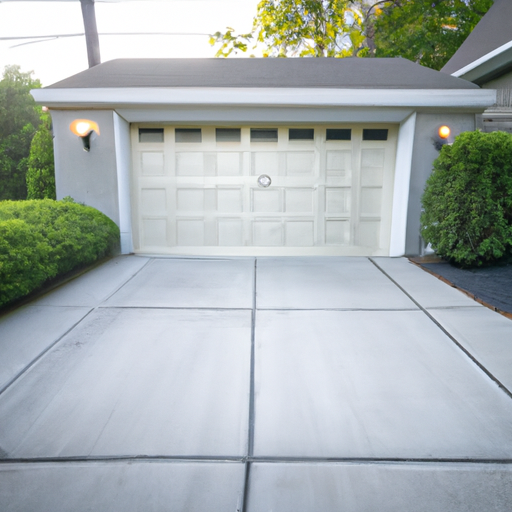
Fort Lee, NJ homeowners rely on smooth, safe garage doors year-round. Seasonal changes in New Jersey—hot, humid summers and cold, wet winters—affect moving parts, seals, and electronics, so regular garage door repair checks keep doors working and prevent costly emergency calls.
Why seasonal maintenance matters
Routine seasonal maintenance reduces wear and the need for urgent garage door repair. Springs, rollers, tracks, and openers respond differently to temperature swings. A quick inspection every season can extend the life of components and keep your home secure.
Want seasonal how-tos and local updates? See our blog for short walkthroughs and Fort Lee-focused tips.
Spring and summer checklist
As temperatures rise, humidity and pollen can cause buildup in tracks and on sensors. Follow this checklist to reduce problems that lead to garage door repair visits:
- Clean tracks and rollers with a soft brush and mild detergent; rinse and dry thoroughly.
- Lubricate rollers, hinges, and springs with a silicone or lithium-based spray—avoid heavy greases that attract dirt.
- Inspect weatherstripping for cracks and replace if brittle to keep out moisture and pests.
- Check balance: disconnect the opener and move the door halfway—if it drifts, springs may need adjustment by a pro.
- Test safety reversing sensors and auto-reverse on the opener weekly to prevent injuries and avoid costly garage door repair after failures.
Opener and electronics
Heat can soften plastics and affect sensors. Replace batteries in remotes twice a year and keep antennae hanging straight. If you notice intermittent operation, schedule a diagnostic before the problem worsens.
Fall and winter checklist
Cold and salt from roads make fall and winter inspections essential for avoiding freeze-related failures and sudden garage door repair needs.
- Inspect and replace worn weather seals to prevent drafts and ice buildup at the bottom rail.
- Tighten loose nuts and bolts; temperature changes can loosen fasteners over time.
- Clear gutters and downspouts near the garage to keep melting snow from pooling near the foundation and door.
- Use a space heater carefully in detached garages to keep electronics at moderate temperatures—never place heaters near flammable materials.
- Remove ice from tracks gently with warm (not boiling) water and a plastic scraper—avoid metal tools that can dent.
Springs and cables
These parts are under high tension and are a common cause of emergency garage door repair calls. Don’t attempt to adjust torsion springs, replace broken cables, or swap out hardware yourself—contact a licensed technician to avoid serious injury.
Quick DIY checks homeowners can do
Not all maintenance requires a pro. These simple checks reduce the chance of a mid-winter or summer breakdown and can inform a smarter maintenance visit from a technician.
- Visual inspection: look for bent tracks, missing rollers, or loose brackets.
- Balance test: with the opener unplugged, manually lift the door halfway—if it won’t hold, call for a professional spring inspection.
- Listen for unusual noises: grinding, squealing, or banging often precede larger failures and signal a need for garage door repair services.
- Test safety features: place a block under the door and press the remote—if the door closes on the block instead of reversing, stop using the opener and seek repair.
When to call a professional
Some issues need trained technicians. Schedule a professional garage door repair visit when you notice any of the following:
- Broken torsion spring or cable (door will feel extremely heavy).
- Door off its track or bent tracks.
- Opener fails intermittently or shows electrical problems.
- Visible rust eating through structural parts in older doors.
For routine adjustments, part replacements, or emergency service, contact our team via the contact page for a quick response. Our certified technicians handle residential service calls across Fort Lee and Bergen County.
Seasonal maintenance calendar
Use a simple schedule to plan upkeep. A consistent routine reduces the number of full repairs and improves year-round performance.
- Quarterly: visual inspection, lubricant application, test sensors and auto-reverse.
- Spring: deep clean tracks, check opener electronics, replace worn seals.
- Fall: tighten hardware, replace weatherstripping, prep for cold weather.
- Every 5–7 years: professional tune-up and parts inspection for springs, cables, and opener drive.
If you prefer a maintenance plan that fits your schedule, review our services and seasonal packages to reduce unexpected garage door repair costs and extend component life.
Cost, permits and warranties—what Fort Lee homeowners should know
Typical seasonal maintenance is affordable, but replacement of springs or openers can vary. In Fort Lee, a standard spring replacement and safety check usually falls within a reasonable range; exact pricing depends on door type and hardware. Ask for an upfront estimate and a written warranty when scheduling a repair.
Most residential garage door repairs do not require local permits, but if your work modifies structure or electrical systems, check Fort Lee building codes or consult a technician who can advise on permits before starting work.
Final tips for reliable doors
- Keep a maintenance log with dates, actions, and technician notes to track wear patterns.
- Replace weatherstripping on a schedule—this small item prevents big water and energy problems.
- Schedule a professional inspection before extreme weather seasons to avoid emergency garage door repair calls.
Seasonal maintenance is a small investment that keeps your garage doors functioning safely and efficiently. For tailored advice and licensed residential service in Fort Lee, NJ, visit our services page or contact us to book a local technician.
Frequently Asked Questions
Do I need special preparation for garage doors before a New Jersey winter?
Yes. Replace worn bottom seals, lubricate moving parts with a silicone or lithium product, and test the auto-reverse function. These steps reduce ice buildup and opener strain common in Fort Lee winters.
How quickly can you respond to a broken spring in Fort Lee?
For broken springs we aim for same-day service when available. Call early in the day and describe door type and symptoms to prioritize emergency garage door repair requests.
What is a reasonable price range for spring replacement and labor in Bergen County?
Prices vary by door size and spring type. Expect a full-service spring replacement with safety inspection to be in the low-to-mid range for residential work; get a written quote and warranty before work begins.
Are garage door repairs covered by manufacturer warranties?
Many parts carry manufacturer warranties, but coverage depends on age, installation, and maintenance. Keep your invoice and serial numbers; our technicians will verify warranty status during a service visit.
Do I need a permit for garage door upgrades in Fort Lee?
Routine repairs generally don’t need permits. Structural changes or electrical rewiring may. If a permit is required, we’ll let you know and can advise on next steps.
Helpful local resources in Fort Lee, NJ
- Garage Door Repair Hoboken
- Garage Door Repair Montclair
- Garage Door Repair Westfield
- Garage Door Repair Summit
- Garage Door Repair Maplewood
- Garage Door Repair Livingston
- Garage Door Repair Short Hills
- Garage Door Repair Princeton
- Garage Door Repair Red Bank
- Garage Door Repair Morristown
- Garage Door Repair Chatham
- Garage Door Repair Mendham
- Garage Door Repair Bernardsville
- Garage Door Repair Bedminster
- Garage Door Repair Clinton
- Garage Door Repair Tenafly
- Garage Door Repair Ridgewood
- Garage Door Repair Upper Saddle River
- Garage Door Repair Wyckoff
- Garage Door Repair Basking Ridge
- Garage Door Repair South Orange
- Garage Door Repair Teaneck
- Garage Door Repair Fort Lee
- Garage Door Repair East Brunswick
- Garage Door Repair Montvale
- Garage Door Repair Haddonfield
- Garage Door Repair Marlboro
- Garage Door Repair Cranford
- Garage Door Repair Voorhees
- Garage Door Repair North Caldwell

