

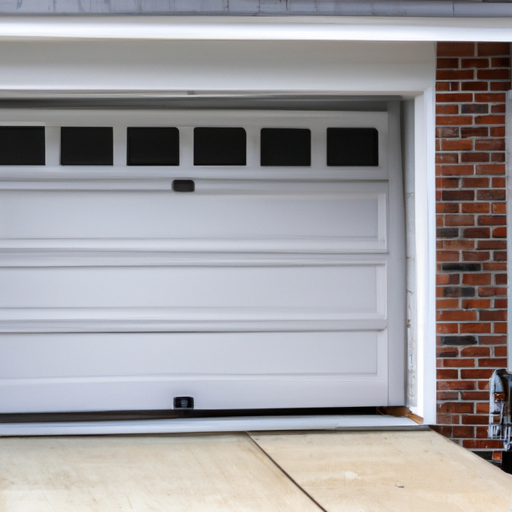
If you own a home in Fort Lee, NJ, knowing when to replace parts is a key part of safe garage door ownership. This guide covers common signs, realistic timelines, and cost considerations for garage door repair so you can plan maintenance and avoid emergency breakdowns. Use this garage door repair nj when to replace parts guide as a checklist for smaller fixes and for conversations with a professional.
Why timely part replacement matters
Garage doors are heavy, mechanical systems. Ignoring worn parts can lead to sudden failure, damage to vehicles or property, and safety risks. Regularly inspecting components and acting when parts show wear keeps your home running smoothly and reduces long-term repair costs for garage door repair.
Common parts that need replacement—and when
Torsion and extension springs
Springs are under extreme tension and wear out over cycles. Most springs are rated for 10,000 to 20,000 cycles. If your door struggles to lift, opens unevenly, or you hear loud bangs, it’s time for spring replacement. For Fort Lee homeowners, winter temperature swings can accelerate wear by making metal more brittle—schedule replacement sooner rather than later.
Cables and pulleys
Fraying cables or bent pulley drums are a safety hazard. Replace cables immediately if any wire strands are visible or if the door slips off track. While a pulley might squeak at first, persistent grinding noises or visible wear mean replacement; delaying can lead to a snapped cable and a jammed door.
Rollers and hinges
Rollers and hinges control smooth movement. Nylon rollers usually last much longer than metal rollers but can degrade over time. Replace worn rollers if the door is noisy, jerking, or tracking poorly. Hinges bent by an impact or rusted through should be changed promptly to avoid misalignment.
Tracks and weather seals
Dents or severe rust in tracks cause binding and increased strain on springs and the opener. Minor dents can be repaired, but badly warped tracks should be replaced. Weather seals protect the door bottom and sides from water and drafts; replace torn seals in seasons with heavy rain or snow to protect your garage interior and stored items.
Openers, remotes, and sensors
The opener is an electrical component that can fail gradually. If travel is slower, start/stop is erratic, or the opener runs hotter than normal, have a technician test it. Door sensors that don’t align or remotes with intermittent response should be replaced to maintain safety and convenience.
Signs you should call a pro now
- Door won’t move or moves partway and stops—possible spring or opener failure.
- Visible cable fray or loose springs—high safety risk; don’t attempt DIY.
- Door is off track or skewed—risk of collapse or jamming.
- Repeated sensor faults after battery checks—replace or realign sensors.
- Excessive vibration, grinding, or metal-on-metal scraping—likely worn rollers, bearings, or track damage.
When you need details on maintenance schedules or want step-by-step inspection advice, check our blog for seasonal checklists and videos tailored to local conditions in Fort Lee.
How weather and local conditions in NJ affect parts
Fort Lee experiences humid summers, freezing winters, and road salt exposure in nearby streets. These conditions accelerate corrosion of metal parts and can stiffen rollers and hinges. After winter, inspect for salt damage and after hot humid months, check for swelling weather seals. Replacing affected parts proactively improves longevity and reduces the chance of sudden failures requiring emergency garage door repair.
Cost considerations and timelines
Costs vary by part, door type, and whether the work is emergency or scheduled. Typical ranges:
- Springs: mid-range cost but require professional replacement for safety.
- Cables and pulleys: lower to mid-range, depending on labor.
- Rollers/hinges: affordable per part; costs rise for full-panel replacements.
- Opener replacement: higher cost due to electronics and labor.
Turnaround times: most routine parts are replaced in 1–3 hours with a scheduled visit. Emergency Saturday or same-day work in Fort Lee may incur rush fees. For a clearer estimate on your specific model and situation, view our services details or request a local quote.
DIY vs. professional replacement: safety and warranty
Some small jobs—like replacing weather seals or remote batteries—are safe for handy homeowners. Anything involving springs, cables, track alignment, or the opener’s drive assembly should be handled by a trained technician. Incorrect spring installation can cause severe injury or further damage to the door system.
Professional service often preserves manufacturer warranties and provides post-service guarantees on parts and labor. If you’re unsure, contact a certified team to inspect and advise; for rapid scheduling, contact us directly.
Inspection checklist before you replace parts
Use this quick checklist to determine if replacement is required or if adjustment/maintenance will do:
- Visual: check for frays, breaks, rust, dents, and loose bolts.
- Operational: listen for grinding; test smoothness and balance (disconnect opener and lift halfway—balanced doors stay put).
- Sensor check: ensure safety sensors align and are clean.
- Seal and weatherproofing: inspect for tears and compression.
- Opener behavior: note delays, overheating, or inconsistent limits.
Record symptoms and take photos to share with a technician—this speeds diagnosis and reduces time on-site for garage door repair.
Planning replacements with minimal disruption
Schedule non-urgent replacements during daytime weekdays to avoid fees and ensure parts availability. If you depend on your garage for vehicle storage, ask about temporary measures like a manual lock or alternate parking while the door is serviced. Many parts can be ordered and installed within 24–48 hours for common door models in the area.
Choosing parts and materials for longevity
Consider material upgrades for long-term value: nylon rollers for quieter operation and longer life, galvanized or stainless components if your home sees a lot of salt exposure, and higher-cycle springs rated above 10,000 cycles for busier households. A homeowner-focused quote should include options and expected lifespan so you can make an informed trade-off between upfront cost and durability when planning garage door repair.
Final steps: inspection, documentation, and follow-up
After replacement, inspect the work with the technician. Confirm that safety sensors function, the door balances properly, and that the opener limits are set. Get a written invoice listing parts, model numbers, and warranty terms. Keep this documentation for future service or if you sell the home—buyers value up-to-date maintenance records for garage doors.
For Fort Lee homeowners looking to schedule an inspection, learn routine maintenance tips, or get a transparent estimate for part replacement and garage door repair, book a visit through our contact page or review available options on our services page today.
Frequently Asked Questions
Q: How does Fort Lee weather affect part life?
A: Seasonal freeze-thaw and road salt increase corrosion and brittleness. Inspect springs, tracks, and bottom seals after winter; replace corroded parts sooner to avoid emergency garage door repair.
Q: How long does a typical part replacement take?
A: Most single-part jobs (springs, cables, rollers) are completed in 1–3 hours on a scheduled visit. Full opener replacements can take longer depending on complexity and electrical hookup.
Q: What price ranges should Fort Lee homeowners expect?
A: Prices vary by part and door type. Expect springs and cables to be mid-range; openers are higher. We provide local estimates that include labor, parts, and warranty details—ask for a written quote.
Q: Will replacing parts void my warranty?
A: DIY replacements can void manufacturer warranties. Use certified technicians and request documentation to keep warranties valid and ensure safe installation.
Q: Do I need permits in Fort Lee to replace garage door parts?
A: Permits are uncommon for routine part replacement. Larger structural changes or electrical upgrades for an opener may require permits—check with Fort Lee building authorities or ask our technician during the estimate.
Helpful local resources in Fort Lee, NJ
- Garage Door Repair Hoboken
- Garage Door Repair Montclair
- Garage Door Repair Westfield
- Garage Door Repair Summit
- Garage Door Repair Maplewood
- Garage Door Repair Livingston
- Garage Door Repair Short Hills
- Garage Door Repair Princeton
- Garage Door Repair Red Bank
- Garage Door Repair Morristown
- Garage Door Repair Chatham
- Garage Door Repair Mendham
- Garage Door Repair Bernardsville
- Garage Door Repair Bedminster
- Garage Door Repair Clinton
- Garage Door Repair Tenafly
- Garage Door Repair Ridgewood
- Garage Door Repair Upper Saddle River
- Garage Door Repair Wyckoff
- Garage Door Repair Basking Ridge
- Garage Door Repair South Orange
- Garage Door Repair Teaneck
- Garage Door Repair Fort Lee
- Garage Door Repair East Brunswick
- Garage Door Repair Montvale
- Garage Door Repair Haddonfield
- Garage Door Repair Marlboro
- Garage Door Repair Cranford
- Garage Door Repair Voorhees
- Garage Door Repair North Caldwell

