

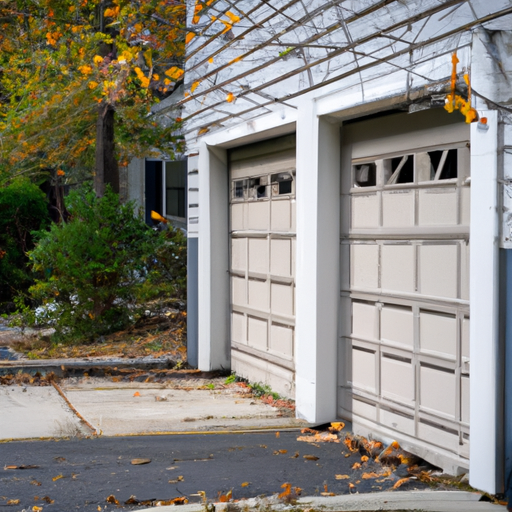
If you own a home in Fort Lee, NJ, keeping up with routine maintenance for garage doors matters. This guide looks at when to replace parts so you avoid emergency failures and costly downtime. Whether you do basic checks yourself or call a pro for garage door repair, these clear signs will help you decide when repair turns into replacement.
Why timing matters for garage door repair
Timely replacement of worn components reduces risk to people and property. A well-maintained door prevents sudden failures that can trap a vehicle or cause injury. Local weather in Fort Lee — with humid summers and freezing winters — accelerates wear on springs, rollers, cables and openers. Planning ahead saves money and preserves curb appeal, a key home improvement goal for resale and comfort.
Common parts and when to replace them
Below are the parts homeowners most often ask about when they call for garage door repair. Use these benchmarks as a practical reference for residential service decisions.
1. Torsion and extension springs
Springs control the door’s balance. Typical signs it’s time for replacement:
- Visible gaps or a snapped spring — immediate replacement is required.
- Frequent imbalance or jerky movement — springs lose tension over time.
- Age: most springs last 7,000–20,000 cycles; older doors may need proactive replacement.
Note: springs are under high tension. For safety and warranty reasons, arrange professional garage door repair rather than DIY spring work.
2. Cables and drums
Frayed cables or uneven winding indicate wear. Replace cables if you see strands sticking out or rust that compromises strength. Drum wear shows as slippage or inconsistent rolling. Replacing cables with the correct rating is a common residential service during spring replacement.
3. Rollers and hinges
Rollers and hinges wear silently. Replace them when you notice:
- Excessive noise during operation.
- Visible chips, flat spots on rollers, or wobble in hinge joints.
- Older nylon rollers outperform steel in noise but both fail after years of cycles.
4. Weatherstripping and bottom seal
Weather seals protect against water, rodents and draft. Replace seals every 3–7 years or when cracked, brittle or missing. For Fort Lee homes where salt and freezing temps occur, check seals before winter and after storms.
5. Tracks
Tracks rarely need replacement but can bend or corrode. Straighten minor dents and replace if rust perforates the metal or if alignment cannot be restored. A misaligned track increases strain on the opener and other parts, raising repair costs.
6. Garage door opener
Openers last about 10–15 years. Consider replacement when:
- It struggles to lift a properly balanced door.
- Electrical issues, like frequent resets or burnt smells, appear.
- Smart features or safety upgrades are desired — modern openers add battery backup and better sensors.
How to decide between repair and replacement
Ask three practical questions when you notice trouble:
- Is the part unsafe or broken now? Replace immediately.
- Will fixing this part extend life sensibly, or will other components fail soon? If multiple parts are nearing end of life, replace more comprehensively.
- What is the cost difference between a repair and the expected lifespan gain? For example, replacing both springs at once is cheaper than two separate emergency calls.
When in doubt, schedule a professional inspection. A qualified garage door repair technician can calculate remaining cycles and recommend an efficient plan.
Practical checks Fort Lee homeowners can do
These quick checks help you spot parts that need replacement before they fail:
- Visual: look for rust, fraying, gaps in springs, or cracked seals.
- Listen: increased grinding or clanking often points to rollers, bearings, or opener problems.
- Balance test: disconnect the opener and lift the door halfway. It should stay in place; if it falls or rises, springs or cables need attention.
- Sensor and remote test: check safety sensors and remote range — failing electronics can be replaced without changing the whole door.
For step-by-step maintenance tips and seasonal checklists, see our blog with local advice tailored to Fort Lee homes.
Timing, costs and local considerations
Local climate and home usage affect timelines. Heavy use (two-car households, frequent deliveries) reduces component life. Expect these rough cost ranges for parts and labor in the NJ residential market:
- Springs replacement (both): moderate cost, often the most urgent safety repair.
- Cable or roller replacement: lower to moderate cost; may be bundled during inspection.
- Opener replacement: higher cost but adds modern features and reliability.
Always ask for written estimates and itemized parts so you can compare apples to apples. If permits are required for certain structural changes in Fort Lee, a reputable garage door repair company will handle those details for you.
How a professional service will approach replacements
A qualified technician follows a consistent process:
- Safety assessment and documented findings.
- Estimate with options: repair, replace single parts, or full system replacement.
- Authorized parts and matching hardware to ensure balance and longevity.
- Post-service testing, including safety sensor calibration and balance checks.
When you need a prompt visit, use our contact page to schedule a local inspection. For broader upgrades or multiple jobs, check our services to see full residential service options.
Checklist: replace now vs. monitor
Use this quick guide when you inspect your door:
- Replace now: snapped spring, frayed cable, broken roller, door stuck halfway, smoke or burning smell from opener.
- Schedule soon: loud grinding, frequent opener resets, visible rust pits that may widen, warped seal.
- Monitor: light noise, minor surface rust, slight wear on weatherstripping — plan seasonal maintenance.
Final advice for Fort Lee homeowners
Preventive replacement and regular maintenance are smart parts of any home improvement plan. Replacing worn components at the right time keeps your garage door operating safely and prevents secondary damage to vehicles and the door structure.
For accurate diagnosis and fast, safe work in Fort Lee, rely on experienced garage door repair professionals who understand local weather impacts and permit requirements. Schedule an inspection when you spot any of the red-flag signs above.
Need to book a technician or get a cost estimate? Use our contact form or call to get a same-day check in many cases.
Frequently asked questions — Fort Lee, NJ
Q: How does Fort Lee weather affect how often I should replace garage door parts?
A: Seasonal freeze-thaw and winter road salt can accelerate corrosion on springs, cables and tracks. Inspect seals and exposed metal each fall, and plan spring or cable replacement sooner than in milder climates.
Q: If a spring breaks, how soon can I get a replacement in Fort Lee?
A: A broken spring is an urgent safety issue. Many local garage door repair companies offer same-day service; call a licensed technician right away to avoid improvised fixes that risk injury.
Q: What price range should I expect for a residential spring replacement in NJ?
A: Costs vary by spring type and door weight, but expect a moderate parts-and-labor charge. Ask for an itemized estimate and verify that the installer uses correctly rated springs for your door’s cycle rating.
Q: Are garage door parts covered under warranty for residential service?
A: Many manufacturers offer limited warranties on parts; labor warranties depend on the contractor. Keep receipts and supplier info; your installer should explain warranty terms before work begins.
Q: Do I need a permit in Fort Lee to replace major garage door components?
A: Routine part replacements like springs, rollers and openers usually don’t require structural permits. If the work changes structural elements or electrical circuits significantly, your contractor will advise and handle permits.
Helpful local resources in Fort Lee, NJ
- Garage Door Repair Hoboken
- Garage Door Repair Montclair
- Garage Door Repair Westfield
- Garage Door Repair Summit
- Garage Door Repair Maplewood
- Garage Door Repair Livingston
- Garage Door Repair Short Hills
- Garage Door Repair Princeton
- Garage Door Repair Red Bank
- Garage Door Repair Morristown
- Garage Door Repair Chatham
- Garage Door Repair Mendham
- Garage Door Repair Bernardsville
- Garage Door Repair Bedminster
- Garage Door Repair Clinton
- Garage Door Repair Tenafly
- Garage Door Repair Ridgewood
- Garage Door Repair Upper Saddle River
- Garage Door Repair Wyckoff
- Garage Door Repair Basking Ridge
- Garage Door Repair South Orange
- Garage Door Repair Teaneck
- Garage Door Repair Fort Lee
- Garage Door Repair East Brunswick
- Garage Door Repair Montvale
- Garage Door Repair Haddonfield
- Garage Door Repair Marlboro
- Garage Door Repair Cranford
- Garage Door Repair Voorhees
- Garage Door Repair North Caldwell

